

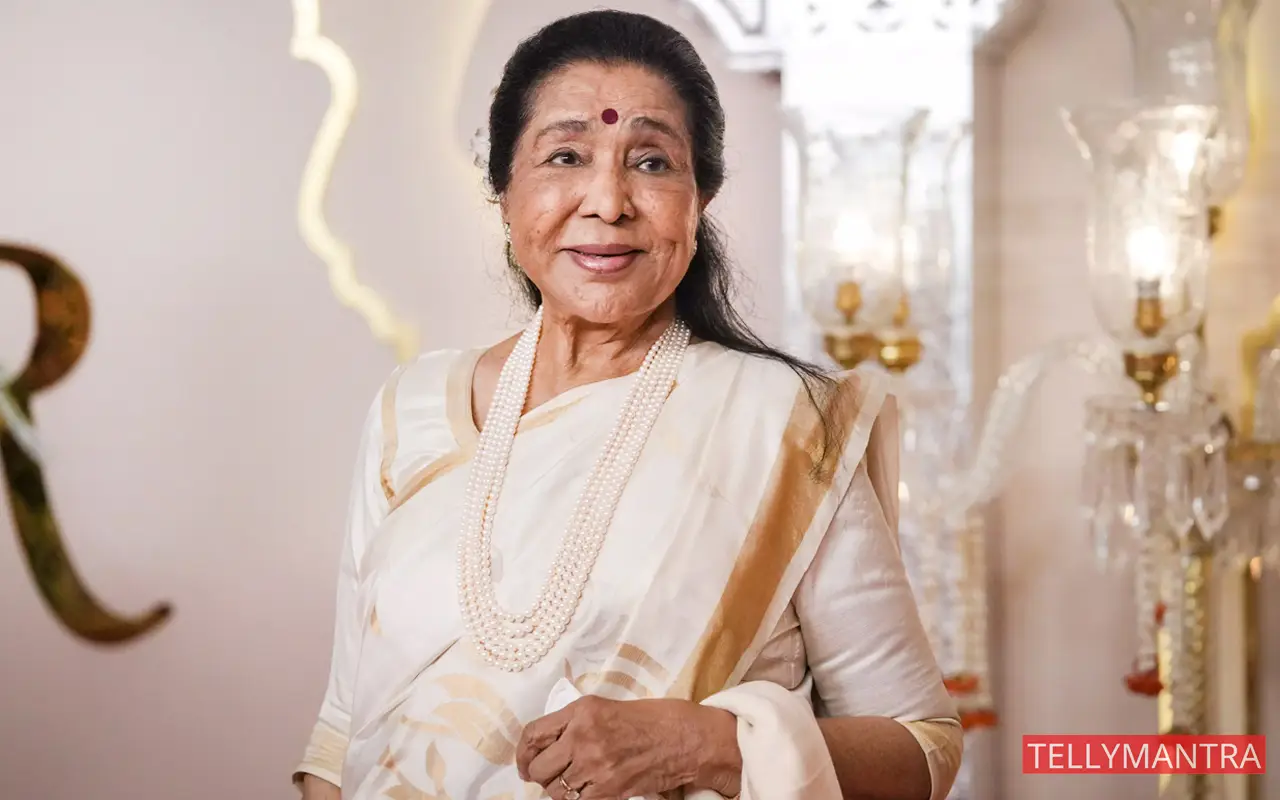
Asha Bhosle, one of the most recognisable voices in Indian music, passed away at the age of 92 in Mumbai on April 12, 2026. According to reports, she had been dealing with health complications, including a chest infection, before suffering a cardiac arrest that led to multi-organ failure.
With her passing, it doesn’t just feel like the loss of a singer—it feels like the closing of a chapter that defined how generations in India experienced music.
Her funeral, held at Shivaji Park with full state honours, reflected the scale of her impact. Few artists receive that kind of farewell. Fewer still truly deserve it.
More Than Just a Long Career
It’s easy to throw around numbers—eight decades, thousands of songs, countless languages. But those numbers don’t really capture what Asha Bhosle did.
She didn’t just stay relevant. She kept changing.
From the early days of playback singing to the experimental sounds that came later, she adapted without losing what made her unique. That’s rare. Most artists peak and fade. She kept evolving.
A Voice That Refused to Be Boxed In
What made her different wasn’t just talent—it was range.
She could sound playful in one song, deeply emotional in another, and completely uninhibited in something bold and unconventional. That ability to switch tones so naturally is something very few singers manage.
Her work with R. D. Burman is still talked about for a reason. It wasn’t just collaboration—it was chemistry that pushed boundaries and changed the sound of Bollywood music.
She Took Risks Others Avoided
At a time when most singers stuck to safe, familiar styles, Asha Bhosle leaned into experimentation. Cabaret songs, pop influences, unusual compositions—she did things others hesitated to try.
And more importantly, she made them work.
That willingness to take risks is a big reason why her songs don’t feel outdated even today.
A Voice That Travelled Beyond Borders
Even though she became a legend in Indian cinema, her work wasn’t limited to it. She recorded in multiple languages and collaborated internationally, reaching audiences who didn’t even understand the lyrics—but connected with the emotion.
That’s when you know it’s not just music. It’s impact.
The Kind of Legacy Numbers Can’t Explain
Yes, she recorded thousands of songs. But that’s not why people remember her.
People remember where they were when they heard certain songs. They remember how those songs made them feel.
That’s a different kind of legacy—one that doesn’t fade with time.
The Reaction Says Everything
As news of her passing spread, tributes came in from everywhere—artists, fans, public figures. But what stood out wasn’t just the volume of messages. It was the tone.
People weren’t just acknowledging her success. They were talking about what her music meant to them personally.
That says more than any award ever could.
What She Leaves Behind
For upcoming singers, Asha Bhosle’s journey is a reminder that talent alone isn’t enough. You need adaptability, courage, and the willingness to step outside comfort zones.
For listeners, she leaves behind something even more valuable—a catalogue of music that doesn’t feel tied to one era.
The End of an Era, But Not the End of Her Voice
Her passing marks the end of a generation of artists who didn’t just perform—they shaped culture.
But voices like hers don’t disappear. They stay in playlists, in memories, in moments people don’t even realise are tied to her songs.
Final Thought
Asha Bhosle wasn’t just a legendary playback singer. She was one of those rare artists who managed to stay relevant without chasing relevance.
And that’s exactly why her voice will outlive everything else.
